
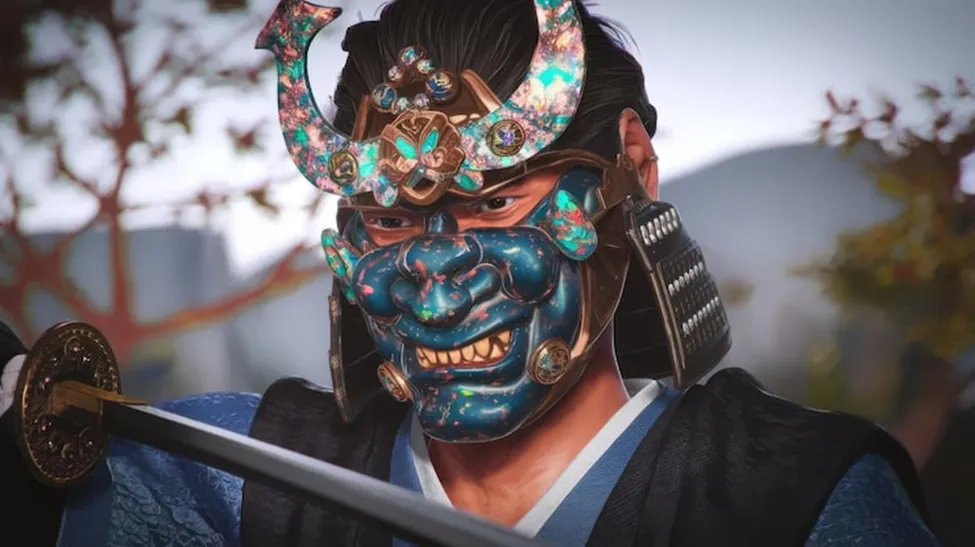
There is a quiet thrill in discovering that not every shadow is empty. In Japanese folklore, that shadow may carry a name, a personality, even a moral lesson. Yōkai are not simply monsters lurking in darkness; they are complex beings rooted in centuries of storytelling, belief and cultural memory. Anyone searching for clarity about these Japanese spirits quickly realises that the term “demon” barely scratches the surface. Some Yōkai are mischievous, others protective, a few terrifying. All of them reflect how Japan has historically explained the unexplainable. If you are trying to understand what Yōkai truly are, how they differ from Western demons, and why they still influence anime, manga and popular culture today, you are in the right place. This exploration moves beyond stereotypes and offers precise insight into their origins, symbolism and evolution.
What does the term Yōkai actually mean?
The word Yōkai combines two kanji characters that suggest something uncanny or mysterious. Rather than translating neatly into “demon,” the term refers to a wide spectrum of supernatural entities in Japanese folklore. These can include spirits, monsters, shapeshifters, possessed objects and strange phenomena that defy rational explanation. Unlike Western demonology, which often centres on evil or damnation, Yōkai are morally ambiguous. Some cause illness or misfortune. Others play tricks. A few protect villages or teach cautionary lessons. Their existence reflects a worldview in which nature, objects and unseen forces possess spiritual presence. Mountains, rivers and even household tools may harbour spirit energy.
This diversity makes Yōkai closer to folklore spirits than to purely malevolent demons. They act as cultural mirrors, revealing fears about disease, famine, isolation or social misconduct. They also explain mysterious sounds, sudden storms or unusual illnesses long before scientific reasoning provided answers. Understanding Yōkai requires stepping into a society where the boundary between visible and invisible worlds remains porous. Their function goes beyond fear; they encode values, warnings and humour into memorable characters.
Origins of Yōkai in Japanese history
Yōkai traditions date back to ancient Japan, influenced by Shinto beliefs, Buddhist cosmology and local oral storytelling. Shinto recognises kami, spiritual presences inhabiting natural elements. While kami are generally revered, Yōkai represent the unpredictable or disruptive side of the spiritual realm. During the Heian period, aristocratic literature recorded strange encounters with spirits and apparitions. Illustrated scrolls later depicted Yōkai in vivid detail, giving them recognisable forms. By the Edo period, woodblock prints popularised them widely. Artists catalogued strange beings with remarkable creativity, shaping how they are still imagined today. Some of the most well-known types include:
- Kappa
- Tengu
- Oni
- Yuki-onna
- Tanuki
Each carries a distinct personality. The Kappa inhabits rivers. The Tengu combines martial prowess with arrogance. Oni appear more demon-like, often horned and fearsome. Tanuki shapeshift with comic flair.
Modern interest in these creatures remains strong. Collectors fascinated by folkloric aesthetics often explore themed merchandise inspired by supernatural tales. For instance, enthusiasts browsing anime figures shop collections often encounter characters inspired by traditional Yōkai imagery, especially in series that reinterpret historical demons for contemporary audiences. These enduring figures illustrate how folklore adapts without losing its core symbolism.
Are Yōkai evil or misunderstood spirits?
One of the most common questions concerns morality. Are Yōkai inherently evil? The answer demands nuance. Many Yōkai behave unpredictably rather than maliciously. A river spirit dragging someone underwater may represent the danger of swimming carelessly. A household object turning into a spirit after neglect symbolises respect for possessions. Their actions frequently serve as narrative warnings.
Even Oni, often translated as Japanese demons, are not purely equivalent to Western devils. They punish wrongdoing, guard the underworld or appear in seasonal festivals as embodiments of adversity to be driven away. During Setsubun, people throw beans while chanting to expel Oni, symbolically cleansing misfortune from the home.
This moral fluidity distinguishes Yōkai from binary good-versus-evil frameworks. They occupy a grey zone where intention, environment and human behaviour influence outcomes. They may harm, yet they may also guide. Their complexity reflects a worldview that accepts chaos as part of existence rather than an external evil force. In storytelling terms, they operate like shifting mirrors. Approach them with respect and you may receive protection. Approach carelessly and consequences follow.
Yōkai in modern anime and popular culture
Contemporary Japanese media has reimagined Yōkai for global audiences. Manga and anime frequently reinterpret classical spirits through modern narratives. Series such as Demon Slayer transform historical Oni motifs into visually striking antagonists while preserving elements of folklore symbolism. Collectors searching for stylised depictions of such characters often gravitate towards detailed Demon Slayer figures, which showcase how traditional mythological concepts evolve into refined artistic expressions. These reinterpretations rarely abandon cultural roots; instead, they amplify them for dramatic storytelling.
Yōkai appear in horror films, video games and fantasy novels. Their adaptability explains their survival. They can embody ecological anxieties, urban legends or psychological fears in contemporary settings.
This modern presence ensures that Yōkai remain culturally relevant. They are no longer confined to ancient scrolls; they shape global pop culture aesthetics.
Why Yōkai still matter today?
Understanding Japanese folklore spirits offers more than entertainment. Yōkai reveal how societies encode fear, humour and morality into narrative form. They remind us that human imagination thrives where certainty fades. Their persistence suggests that rational explanation alone does not eliminate fascination with mystery. In a technological age, the idea that unseen forces linger in forests or abandoned buildings still captivates.
Yōkai function like cultural fossils embedded in living soil. They preserve ancient beliefs while adapting to modern expression. Through them, Japan maintains continuity between past and present. For anyone seeking clarity, Yōkai are neither simple demons nor harmless cartoons. They are layered mythological constructs shaped by religion, art and social memory.
A cultural reflection beyond fear
Yōkai continue to intrigue because they reflect something deeply human: the need to personify uncertainty. They blur the line between danger and protection, humour and terror, history and imagination. Exploring them reveals not just Japanese folklore, but the enduring power of storytelling itself. What once explained storms and shadows now fuels global creativity. Perhaps the true fascination lies not in whether Yōkai exist, but in why we still need them.
