
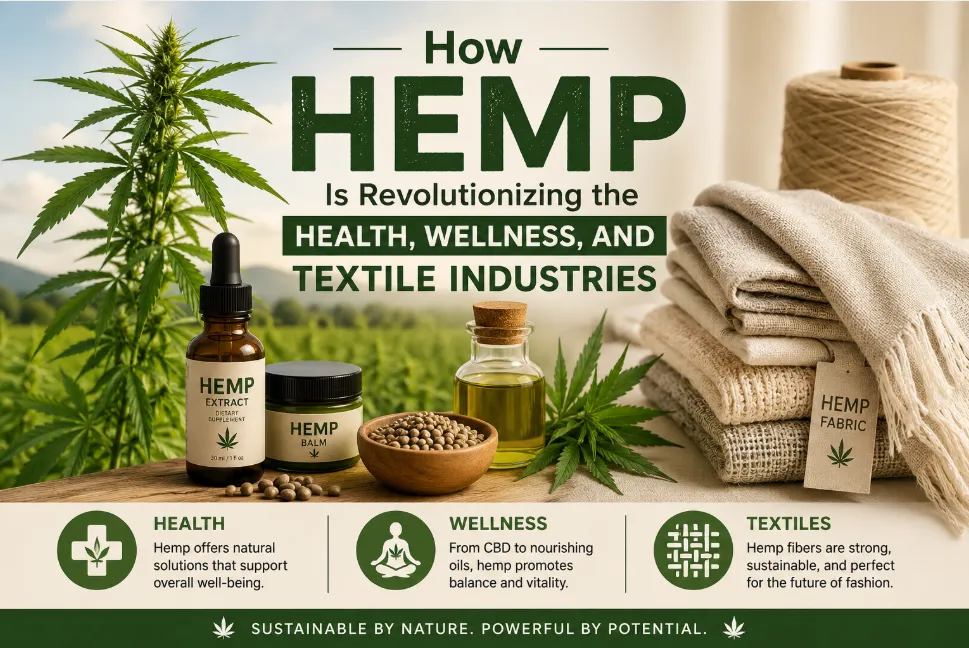
Hemp has emerged as one of the most transformative crops of the modern era. Once primarily associated with rope, paper, and industrial materials, hemp is now driving innovation across multiple sectors, including health, wellness, fashion, and sustainable manufacturing.
As consumers increasingly seek natural, plant-based, and environmentally responsible products, hemp has become a valuable resource for businesses and manufacturers worldwide. From hemp-derived wellness products and nutrient-rich foods to eco-friendly fabrics and advanced textile technologies, the hemp industry continues to expand at an impressive pace. Retailers such as Alt Super Store help make many of these innovative hemp-derived products accessible to consumers interested in exploring the benefits of this versatile plant.
In this article, we’ll explore how hemp is revolutionizing the health, wellness, and textile industries, why demand continues to grow, and what the future may hold for this versatile crop.
What Is Hemp?
Hemp is a variety of the Cannabis sativa plant cultivated for industrial, nutritional, and commercial purposes. Under U.S. federal law, hemp contains no more than 0.3% Delta-9 THC on a dry-weight basis.
Unlike marijuana, hemp is primarily grown for:
-
Hemp flower
-
Hemp seeds
-
Hemp fiber
-
Hemp oil
-
Industrial applications
-
Hemp-derived cannabinoids
Its versatility allows manufacturers to create thousands of products across numerous industries.
Why Hemp Is Gaining Popularity
Several factors have contributed to hemp’s rapid growth.
Sustainability
Consumers and businesses are increasingly prioritizing environmentally friendly products.
Innovation
Advancements in cultivation, extraction, and manufacturing technologies have expanded hemp’s applications.
Consumer Awareness
More people now understand hemp’s potential uses in nutrition, wellness, fashion, and industrial products.
These trends have helped fuel unprecedented growth throughout the hemp industry.
Hemp and the Health Industry
One of the most significant areas of hemp innovation is the health sector.
The hemp plant contains numerous naturally occurring compounds that have attracted substantial scientific and consumer interest.
Hemp-Derived Cannabinoids
Hemp contains a variety of cannabinoids, including:
-
CBD (Cannabidiol)
-
CBG (Cannabigerol)
-
CBC (Cannabichromene)
-
CBDV (Cannabidivarin)
These compounds are commonly incorporated into modern hemp-derived products.
As research continues, cannabinoids remain one of the most studied aspects of the hemp plant.
Nutritional Benefits of Hemp
Beyond cannabinoids, hemp offers significant nutritional value.
Hemp Seeds
Hemp seeds are rich in:
-
Plant-based protein
-
Healthy fats
-
Omega-3 fatty acids
-
Omega-6 fatty acids
-
Vitamins and minerals
As consumers increasingly seek nutrient-dense foods, hemp seeds have become a popular addition to balanced diets.
Hemp Protein
Hemp protein powder has gained popularity among:
-
Athletes
-
Fitness enthusiasts
-
Plant-based consumers
Its nutritional profile makes it a valuable option for those seeking alternative protein sources.
Innovation in Hemp-Based Nutrition
Manufacturers continue developing new hemp food products, including:
-
Hemp milk
-
Protein powders
-
Snack foods
-
Nutritional supplements
-
Hemp seed oil products
This growing product diversity has helped establish hemp as an important ingredient within the health and nutrition industry.
Hemp and the Wellness Industry
The wellness sector represents one of the fastest-growing areas of hemp adoption.
Consumers increasingly seek plant-based products that align with holistic lifestyle preferences.
Hemp Oils and Tinctures
Hemp-derived oils remain among the most popular wellness products available today.
Many consumers appreciate:
-
Convenient use
-
Diverse formulation options
-
Product variety
The category continues to expand as manufacturers develop innovative formulations.
Hemp Gummies
Hemp gummies have become a leading product category due to:
-
Convenience
-
Flavor variety
-
Portability
-
Consistent serving sizes
As the wellness market evolves, hemp gummies remain a major growth segment.
Hemp Capsules
Capsules offer a simple format for consumers seeking easy-to-use hemp-derived products.
Benefits include:
-
Precise servings
-
Travel convenience
-
Familiar supplement format
Hemp Topicals
Topical products continue gaining popularity in the personal care and wellness sectors.
Examples include:
-
Lotions
-
Creams
-
Balms
-
Roll-ons
-
Serums
Manufacturers often combine hemp-derived ingredients with botanical extracts to create specialized formulations.
Hemp in Personal Care
The beauty industry has increasingly embraced hemp ingredients.
Popular products include:
-
Facial moisturizers
-
Cleansers
-
Body lotions
-
Lip balms
-
Hair care products
Consumers are increasingly drawn to plant-based personal care options that incorporate hemp-derived ingredients.
Hemp and the Textile Industry
Perhaps no industry demonstrates hemp’s versatility better than textiles.
Hemp fiber has been used for thousands of years, but modern technologies are helping transform hemp into a competitive alternative to traditional fabrics.
The Advantages of Hemp Fiber
Hemp fiber offers several characteristics that make it attractive to textile manufacturers.
Durability
Hemp is known for producing strong natural fibers.
This durability contributes to long-lasting textile products.
Breathability
Hemp fabrics are valued for their comfort and airflow.
Sustainability
Hemp’s environmental profile appeals to consumers seeking eco-friendly clothing options.
Modern Hemp Clothing
Today’s hemp apparel is far different from the coarse fabrics often associated with historical hemp products.
Modern processing technologies allow manufacturers to create:
-
Soft hemp fabrics
-
Blended textiles
-
Fashion apparel
-
Performance clothing
These innovations are helping hemp compete with traditional textile materials.
Sustainable Fashion and Hemp
The fashion industry faces increasing pressure to reduce its environmental impact.
Hemp offers several advantages for sustainable fashion initiatives.
Renewable Resource
Hemp can be grown annually, providing a renewable source of textile fibers.
Efficient Production
Compared to many conventional textile crops, hemp is often recognized for its efficient use of agricultural resources.
Eco-Conscious Consumer Appeal
Many shoppers actively seek clothing made from sustainable materials.
This trend continues driving demand for hemp-based apparel.
Hemp Beyond Clothing
The textile industry’s use of hemp extends beyond fashion.
Hemp fibers are also used in:
-
Upholstery
-
Home furnishings
-
Industrial fabrics
-
Footwear
-
Accessories
As manufacturing technologies improve, hemp’s role within the textile sector is likely to expand further.
The Economic Impact of Hemp
The growing popularity of hemp has created opportunities throughout the economy.
Industries benefiting from hemp innovation include:
-
Agriculture
-
Manufacturing
-
Retail
-
Construction
-
Food production
-
Personal care
The expansion of hemp-based businesses continues generating investment and employment opportunities worldwide.
Sustainability: The Common Thread
One reason hemp is revolutionizing multiple industries simultaneously is its sustainability.
Businesses across health, wellness, and textiles increasingly prioritize:
-
Renewable materials
-
Resource efficiency
-
Sustainable sourcing
-
Environmental responsibility
Hemp aligns with many of these objectives, making it an attractive option for future product development.
Challenges and Opportunities
Despite its potential, the hemp industry still faces challenges.
These include:
-
Regulatory complexity
-
Consumer education
-
Processing infrastructure needs
-
Market competition
However, ongoing innovation continues creating new opportunities for growth and adoption.
The Future of Hemp Across Industries
Several trends suggest hemp’s influence will continue expanding.
Health and Nutrition
Demand for hemp-based foods and nutritional products is expected to grow.
Wellness Products
Innovation in hemp-derived formulations continues driving consumer interest.
Sustainable Textiles
As sustainability becomes a priority, hemp fibers may play a larger role in global textile production.
Manufacturing Innovation
Researchers continue exploring new hemp applications across multiple industries.
Frequently Asked Questions
Why Is Hemp Becoming Popular?
Consumers increasingly value sustainable, plant-based, and versatile products, making hemp attractive across numerous industries.
How Is Hemp Used in Wellness Products?
Hemp is incorporated into oils, gummies, capsules, topicals, and personal care products.
Why Is Hemp Important for the Textile Industry?
Hemp fibers offer durability, sustainability, and versatility for clothing, accessories, and industrial fabrics.
What Makes Hemp Sustainable?
Hemp is a renewable crop that can be used to create a wide variety of products while supporting environmentally conscious manufacturing practices.
Final Thoughts
Hemp is revolutionizing the health, wellness, and textile industries by offering a unique combination of versatility, sustainability, and innovation. From nutrient-rich hemp foods and hemp-derived wellness products to durable fabrics and eco-friendly apparel, hemp continues to reshape how businesses and consumers think about modern products.
As technology advances and consumer demand for sustainable alternatives grows, hemp’s influence is likely to expand even further. Whether in nutrition, personal care, fashion, or manufacturing, hemp has established itself as one of the most important and promising crops of the modern era.
