
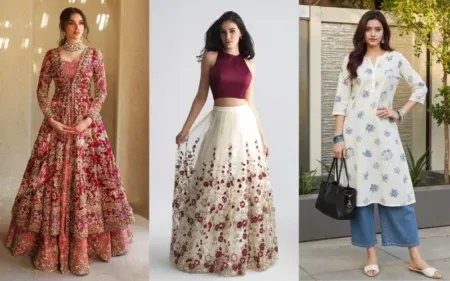
Choosing festive clothes becomes much easier when you understand what actually works for different celebrations. abestoutfit.com shares outfit inspiration that helps people dress comfortably while still looking polished for every special occasion.
Festive outfits are not only about expensive fabrics or designer labels anymore. Most people now care about comfort, practical styling, and clothing that can be worn more than once. Fashion trends continue changing every year, but personal comfort and confidence never go out of style. That is why making thoughtful outfit choices often creates a better overall appearance than simply following every trend available.
Choosing Right Festive Clothes
Every celebration has its own mood, and clothing should match that atmosphere naturally. Wearing something too formal for a casual gathering may feel uncomfortable throughout the event. Dressing too casually for an important celebration can also leave you feeling slightly out of place.
Before selecting any festive outfit, think about the venue, weather, and expected dress code. Indoor celebrations often allow heavier fabrics because temperatures remain controlled. Outdoor events usually require breathable materials that help you stay comfortable during long hours.
The color palette also deserves attention before making any purchase. Bright shades often suit daytime festivals while richer and deeper colors create a refined appearance during evening occasions. Neutral shades remain useful because they pair easily with colorful accessories whenever you want a fresh look.
Buying versatile clothing instead of trend-driven pieces usually offers better long-term value. One well-made outfit can easily work across several celebrations with only minor styling changes.
Understanding Fabric Selection
Fabric plays a bigger role than many shoppers realize during festive shopping. A beautiful design loses its charm quickly if the material feels uncomfortable after wearing it for several hours.
Cotton remains one of the safest choices for warm weather celebrations because it allows air to circulate naturally. Linen also performs well during daytime events while providing a relaxed yet elegant appearance.
Silk continues to be popular because of its rich texture and graceful finish. However, silk often requires careful maintenance, making it more suitable for special occasions than regular festive gatherings.
Velvet works beautifully during colder months because of its luxurious appearance and warm texture. Lightweight blends have also become increasingly popular since they combine comfort with durability.
Always touch the fabric whenever possible before buying. Photos rarely show the actual softness, thickness, or flexibility of the material. A comfortable fabric usually helps you enjoy the event without constantly adjusting your clothing.
Finding Suitable Color Combinations
Colors influence the overall impression of any festive outfit more than many people expect. Matching shades carefully creates balance without making the outfit appear overly complicated.
Warm colors like maroon, mustard, rust, and deep orange often complement traditional celebrations. Cooler shades including navy, emerald, lavender, and teal create a sophisticated appearance suitable for modern festive events.
Monochrome dressing has become increasingly popular because it creates a clean and polished look. Wearing similar shades from top to bottom makes styling much easier while maintaining visual consistency.
Contrasting colors also work well when balanced properly. A bright outfit paired with subtle accessories often feels more refined than using bold colors everywhere.
Metallic accents through footwear, jewelry, or handbags can enhance simple outfits without overwhelming the overall appearance. Small additions frequently create greater visual impact than excessive decoration.
Building Comfortable Festive Looks
Comfort should never become an afterthought during festive dressing. Looking stylish means very little if constant discomfort prevents you from enjoying the celebration.
Choose clothing that allows natural movement while sitting, standing, walking, and dancing comfortably. Tight garments often become uncomfortable after several hours, especially during family gatherings or cultural events.
Layering also deserves careful planning. Lightweight layers provide flexibility because weather conditions sometimes change throughout the day. A stylish jacket, shawl, or shrug can complete an outfit while adding practical warmth.
Proper fitting remains more important than expensive branding. Even affordable clothing looks attractive when tailored correctly. Simple alterations often improve the overall appearance significantly without requiring major additional expenses.
Comfortable footwear deserves equal attention because festivals frequently involve extended periods of standing. Shoes should support your feet while matching the outfit naturally.
Mixing Traditional And Modern
Many people enjoy blending traditional pieces with modern fashion elements instead of choosing only one style direction. This combination often creates unique festive outfits suitable for different age groups.
Traditional embroidered jackets can pair beautifully with simple trousers or contemporary skirts. Modern blouses also work surprisingly well alongside classic ethnic bottoms when colors complement each other naturally.
Accessories provide another opportunity for mixing styles. Minimal jewelry paired with detailed clothing creates balance without making the overall outfit feel crowded.
Fashion today encourages personal interpretation rather than strict styling rules. Small creative adjustments often make familiar clothing feel completely fresh without requiring expensive shopping trips before every celebration.
The goal should always remain balanced styling instead of adding every fashionable element into one outfit. Simplicity frequently creates stronger visual appeal than excessive decoration.
Accessories That Add Value
Accessories complete festive outfits by adding personality without dominating the overall appearance. Choosing only a few well-matched pieces usually works better than wearing every available accessory.
Classic earrings remain versatile because they complement many different clothing styles. Neckpieces should depend on the neckline rather than current fashion trends alone. Some outfits naturally require bold jewelry while others benefit from minimal accessories.
Handbags should combine style with practicality. Carrying essential items comfortably becomes important during longer celebrations. Compact bags often remain the most convenient option for festive events.
Belts have also become popular styling elements, especially when defining the waistline or adding contrast to monochrome outfits. Scarves and dupattas continue offering both functional and decorative benefits.
Hair accessories deserve attention as well. Simple clips, decorative pins, or elegant headbands can refresh an outfit without requiring major wardrobe changes.
Seasonal Outfit Planning
Weather conditions influence festive clothing decisions more than fashion trends sometimes do. Planning according to seasonal temperatures helps maintain both comfort and style.
Summer celebrations generally require breathable fabrics, lighter colors, and relaxed silhouettes that prevent overheating. Lightweight cotton blends continue performing well throughout warmer months.
Winter festivities allow richer textures including velvet, wool blends, and layered styling. Darker shades often complement colder weather naturally while creating elegant festive appearances.
Monsoon seasons require practical thinking because unexpected rain can affect footwear and fabric choices. Quick-drying materials usually reduce maintenance concerns after outdoor events.
Preparing outfits in advance according to seasonal calendars also prevents last-minute shopping stress. Well-organized wardrobes make festive dressing considerably easier throughout the year.
Avoiding Common Styling Errors
Many outfit mistakes happen because people focus entirely on trends instead of practical dressing. Fashion should support confidence rather than create unnecessary complications.
Over-accessorizing remains one of the most common styling issues. Too many decorative elements often compete for attention instead of creating harmony.
Ignoring proper fit can also reduce the appeal of otherwise beautiful clothing. Regular wardrobe checks help identify pieces requiring small adjustments before upcoming celebrations.
Another frequent mistake involves choosing uncomfortable footwear simply because it matches the outfit. Practical shoes usually contribute more to overall confidence during long festive events.
Colors should also remain balanced. Mixing several bold shades without planning sometimes creates visual confusion instead of stylish coordination.
Planning ahead allows enough time to make thoughtful decisions rather than rushing into last-minute purchases.
Read also :-
